TL;DR
- Everyone talks about the “ChatGPT moment” in robotics. The Apollo moment may matter more.
- When most customers were still buying vacuum tubes, the integrated circuit industry needed a patron to survive its early years. It found one in the Apollo program: vacuum tubes were cheaper, but ICs were smaller and lighter, and in space that's was what mattered most.
- The interesting question for physical AI is not “when does it work for everyone?” — it is “who has a non-negotiable constraint and a checkbook?” That is the Apollo-grade vector to hunt for.
1. Introduction
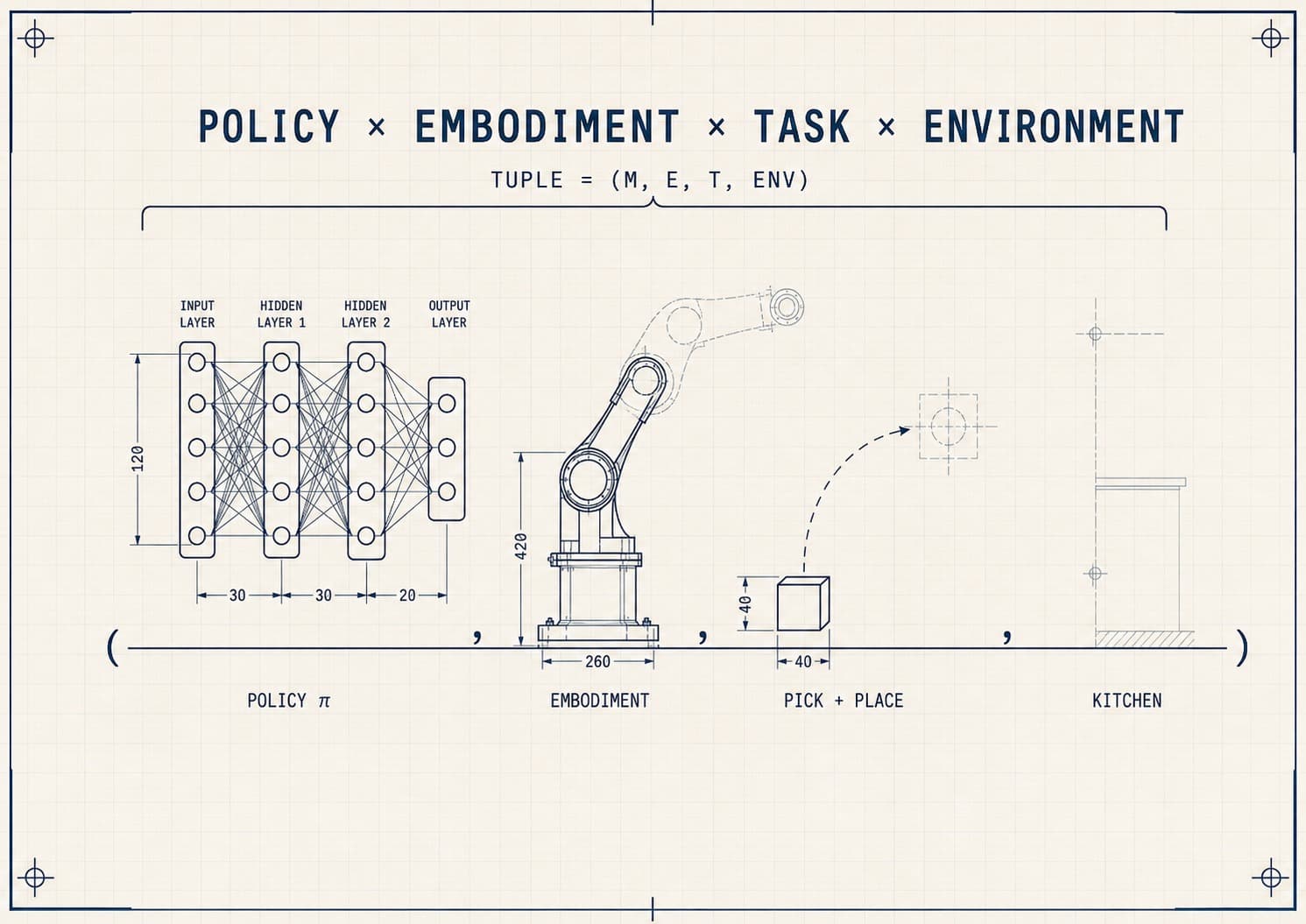
In robotics, people talk A LOT about the “GPT moment”: a moment where general embodied intelligence (humanoids, mobile manipulators, anything that can act in the physical world) is broadly available. The historical analogy is of course ChatGPT.
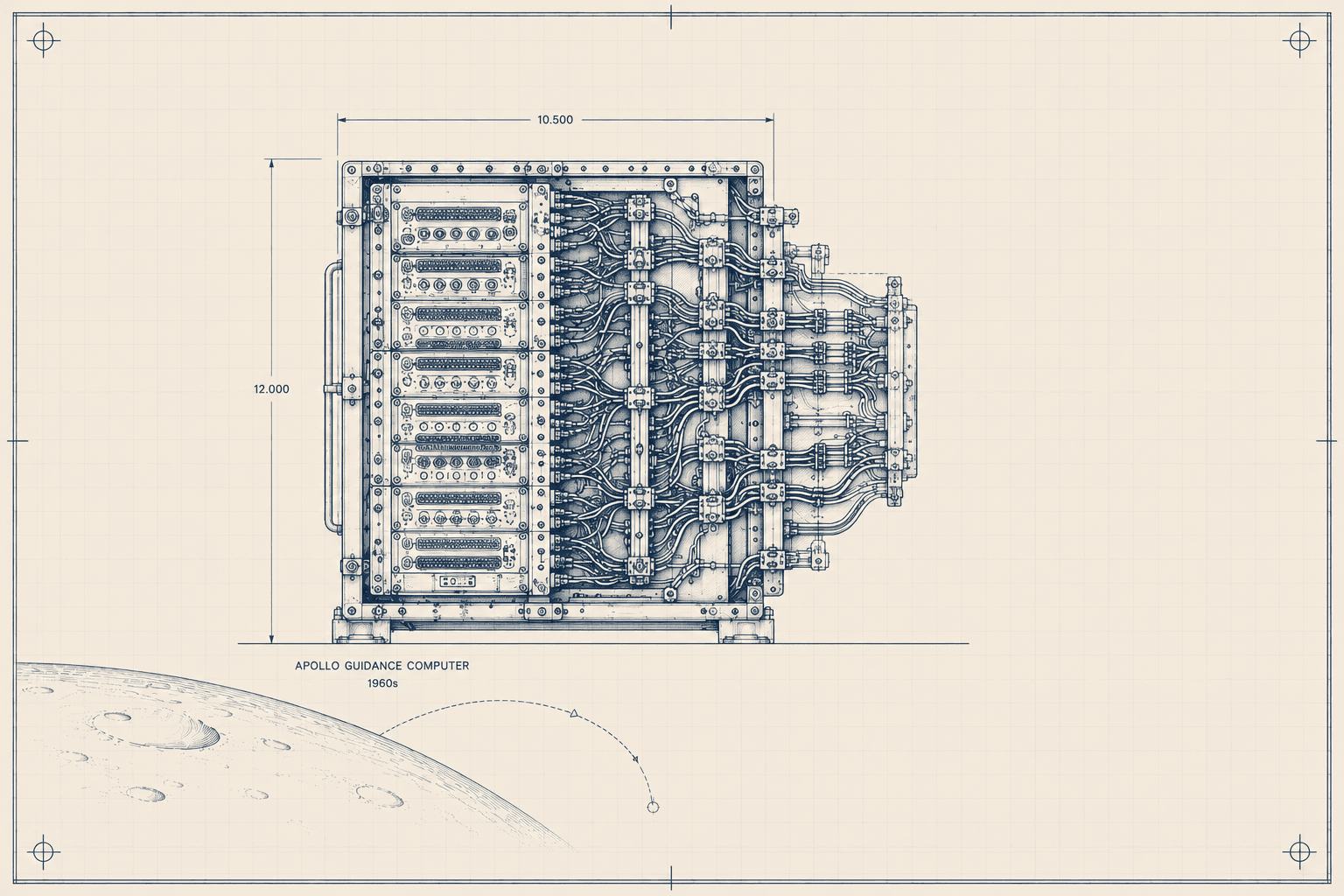
But I would like to propose another historical moment that rhymes with our own and may already be happening: the relationship between the Apollo space program and the microchip.
2. Enter: The Apollo Space Program
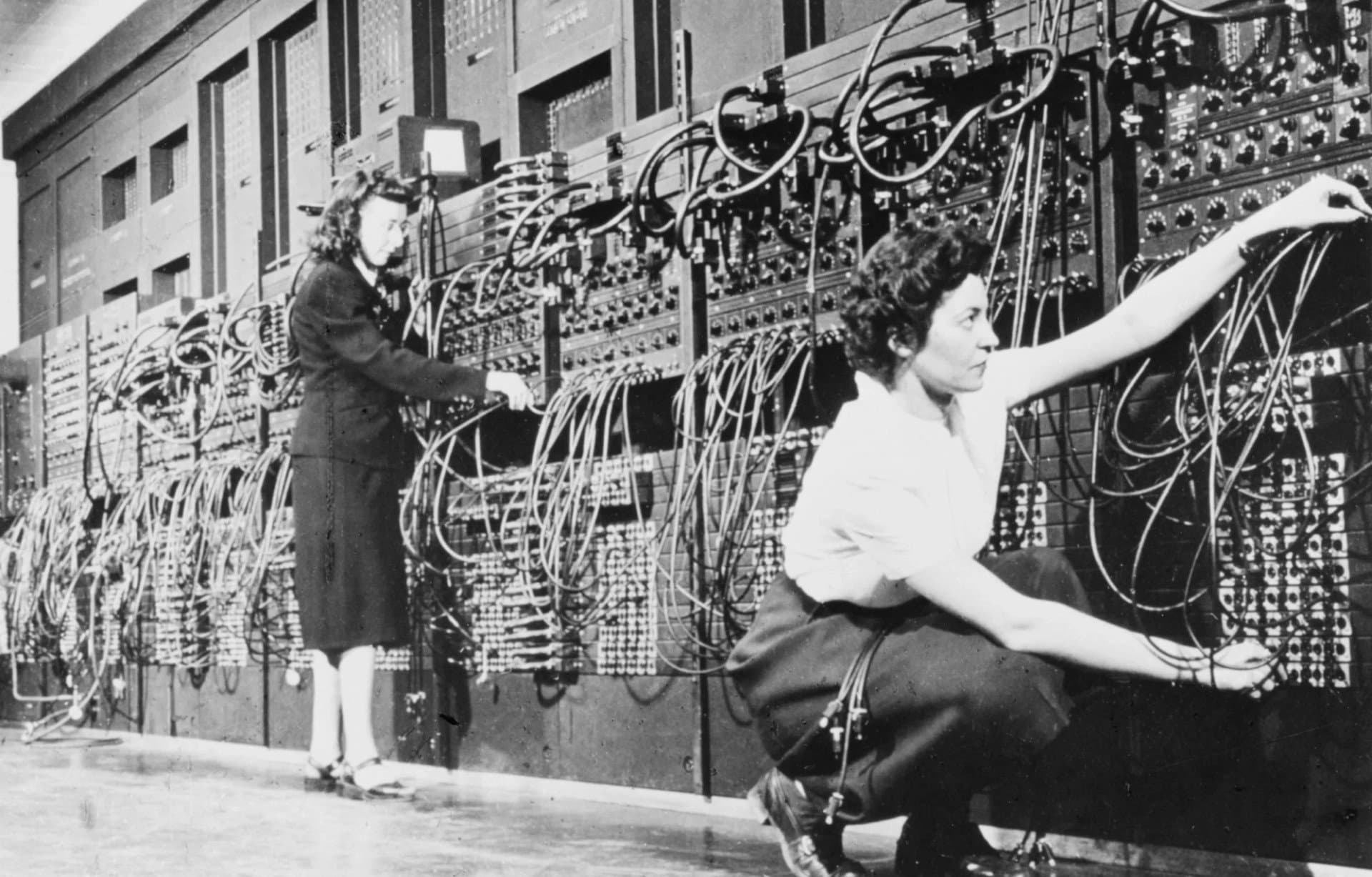
In the 1960s, computers used vacuum tubes. These were clunky, inefficient, and broke down often (people had to keep replacing and maintaining them), but they were MUCH cheaper than the integrated circuits of the time. Since the main customers of computers were banks, universities, and militaries, they opted for cheap.
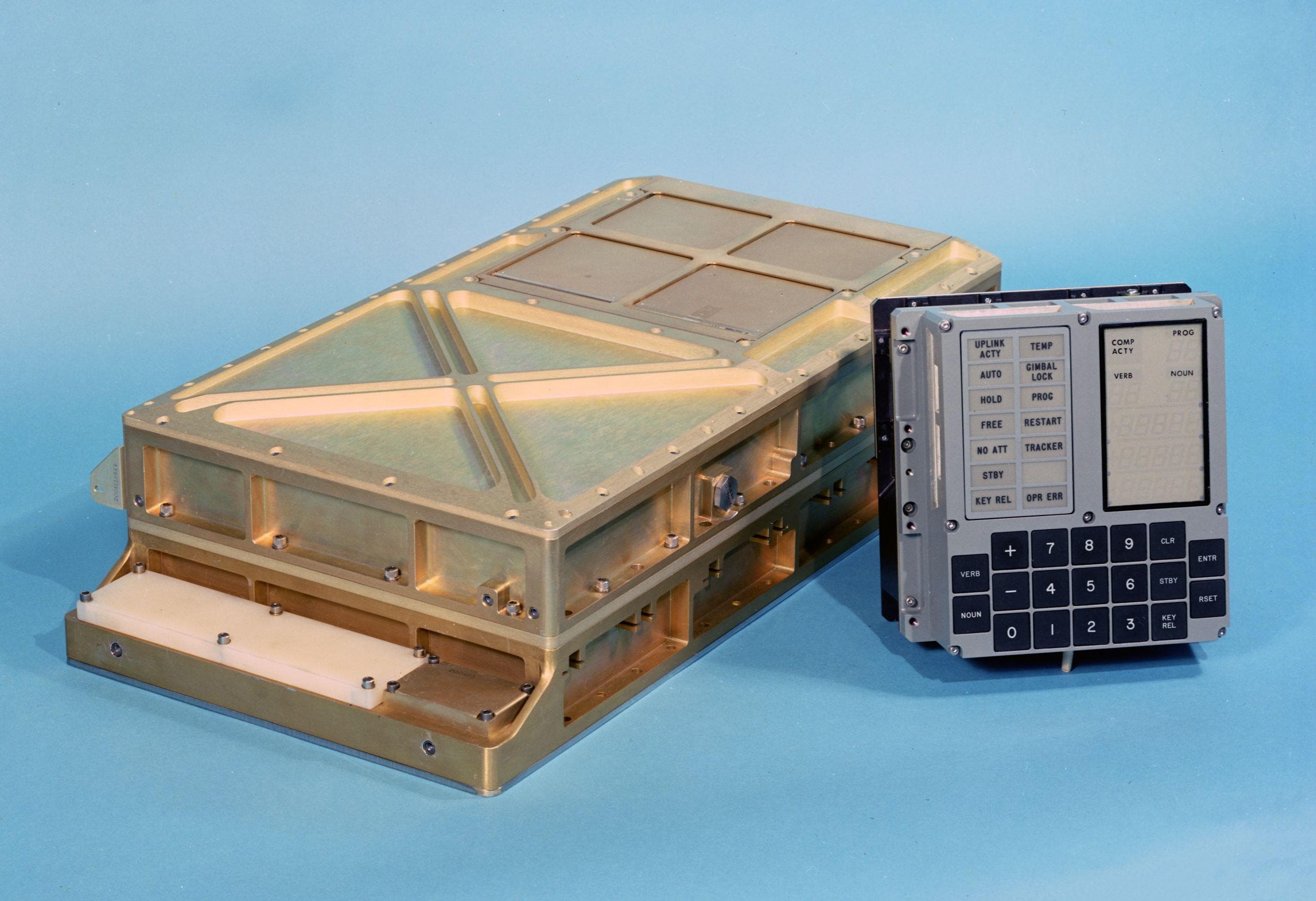
...But the Apollo Space Program changed the equation: weight and mass ARE very expensive in space. Vacuum tubes were not just heavy, they broke often (requiring carrying more tubes or people to replace them).
This made vacuum tubes unusable for the Apollo space program, so (curiously enough) Apollo, alongside the Minuteman missile program, became the LARGEST customer of integrated circuits in the 1960s: because the vector that mattered was mass.
This kept the original Silicon Valley chip companies alive through their fragile early years, and as more ICs were made, costs dropped. Once costs dropped enough, commercial customers (calculators, then minicomputers) took over and finished the cost curve. Apollo did not single-handedly fund the IC industry to maturity. It funded the SEED phase. Commercial pull did the rest.
In short, the Apollo program created a customer whose constraints were so extreme that they were willing to pay any price, and that customer's spending kept the early players alive long enough for commercial demand to take over.
3. State of The World
First, let's recap what we have seen in the last 24 months:
- Robot arms in a new tier: $5–10k (Trossen, Koch, SO-100, Unitree Z1). These are research and light-task arms, not industrial replacements — but that is exactly the tier software-first builders need. Industrial arms (KUKA, ABB, Franka) still cost $100k+.
- Many serious labs and companies are racing to put real intelligence into robots: Physical Intelligence (π0), Google DeepMind (RT-2, Gemini Robotics), open-source efforts like OpenVLA, and Figure (Helix). The competition is fast, much of it is shared openly, and capability is improving faster than anything robotics has seen.
- Simulation is improving fast. NVIDIA Isaac is roughly an order of magnitude cheaper than real-world training, and sim-to-real transfer is no longer the blocker it was five years ago.
- Open-source robotics projects (Hugging Face's LeRobot, Menlo's Asimov) are lowering the barrier to entry for makers.
4. Bullish Traits I Am Keeping an Eye On
I have infinite appetite and curiosity for use cases where the robot satisfies one or more HARD constraints. Just like in Apollo. Here are the vectors I am watching:
- Remoteness with full autonomy required. Mars and lunar operations, deep-space anything. Light-speed delay of minutes makes tele-operation impossible. The robot must decide on its own. This is the purest Apollo-grade vector: the customer cannot substitute a human at any price.
- Remoteness with tele-operation acceptable. Offshore wind, deep-sea cable inspection, Arctic and Antarctic infrastructure. A human in the loop over satellite or tether is fine, but sending a human in the flesh costs millions per trip. The pressure here is on robustness and uptime, not autonomy.
- Unstructured danger. Structured danger is mostly solved: nuclear decommissioning robots have existed for decades. The Apollo-grade vector is UNSTRUCTURED danger — Fukushima reactor debris, collapsed buildings, novel chemical spills. Anywhere the environment is too messy for a pre-programmed robot and too dangerous for a human.
- Trust and clearance. Secure military facilities, classified labs, sensitive government sites. The bottleneck on humans is not labor cost, it is VETTING cost and security risk. An expensive robot with no clearance risk may be preferable over humans you have to vet, observe, and trust.
- Biohazard. High-containment labs studying dangerous pathogens, pandemic response teams, hospital wards for highly infectious patients. As far as I know, governments are NOT buying many robots for this yet.
- Contamination sensitivity. Semiconductor fabs, pharmaceutical clean rooms, vaccine production, gene therapy manufacturing. Every human in a clean room is a contamination risk. Fabs are already heavily automated for movement, but I am always on the lookout for what unmet need is born from this.
5. Conclusion
In 1958, nobody pointed at the Apollo program and said “that is where the semiconductor industry will be born.” The Apollo Moment was only obvious in hindsight.
I believe we are already living through many small Apollo Moments in robotics. They will not come from the largest markets or the loudest demos. They will come from customers with a non-negotiable constraint and a checkbook — and like Apollo, they only need to keep the early players alive long enough for commercial demand to take over.
Find the non-negotiable constraint! From there will come the shifts.
Working on a non-negotiable-constraint problem? Let's chat.